




4. Never eat and run
We’ve all been there. You finish a meal, glance at the clock, and realize you need to rush out the door.
While your digestive system is perfectly capable of working when you’re moving around, jumping straight into a strenuous workout after a large meal can be uncomfortable.
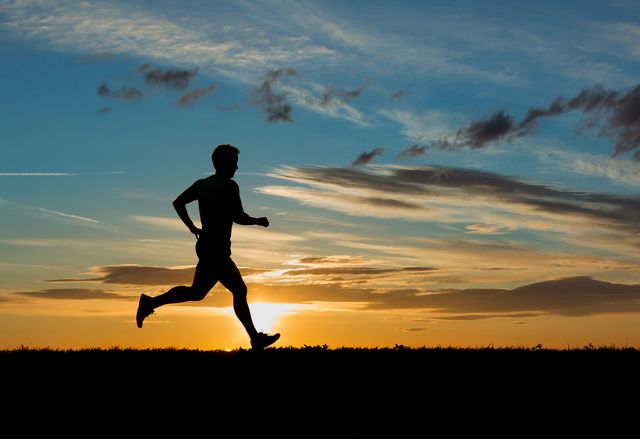
Running, intense exercise, or activities involving considerable bouncing may contribute to nausea, cramping, or reflux in some people, particularly if their stomach is still very full.
That doesn’t mean you need to sit perfectly still after eating.
In fact, gentle movement can be a good choice. A relaxed 10- to 15-minute walk after a meal is generally well tolerated and may help with post-meal blood sugar control.
The important distinction is between easy activity and demanding physical exercise.
If you know you’ll be running, lifting heavy weights, or doing a strenuous workout, consider allowing more time after a substantial meal. Exactly how long depends on the size and composition of your meal and your individual tolerance.
Try this: Take a short, comfortable walk after dinner instead of immediately lying on the couch. Save your more intense workouts for a time when your stomach doesn’t feel overly full.