






9. Keep Naps Short and Earlier If Nights Are Difficult
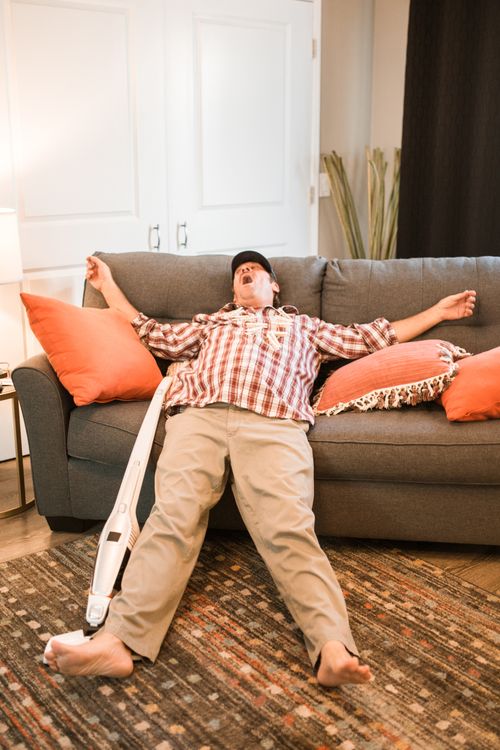
A nap can be useful, especially after a demanding morning. But if you regularly struggle to fall asleep at night, a long or late nap may make the evening more difficult. Your need for sleep builds while you are awake, so a substantial daytime sleep can change how sleepy you feel later.
Try a short nap earlier in the afternoon rather than drifting off for a long stretch near dinner. NHLBI suggests adults limit naps to about twenty minutes when nighttime sleep is a problem. Set an alarm before settling down, and notice whether adjusting the nap makes bedtime easier over the following days.
This is not a rule that every adult must stop napping. Shift work, illness, caregiving, and other circumstances can change what is practical. Nor is pushing through dangerous sleepiness a good goal. If you are repeatedly dozing off unintentionally or struggling to stay awake during ordinary activities, discuss that pattern with a healthcare professional.